EXPLORE RESOURCES

Certificate Management Articles
45 Articles

F5 BIG-IP and Certificate Management Strategies

F5 BIG-IP appliances sit at the traffic-management core of a huge share of large enterprise networks, handling load balancing, application delivery, and TLS termination for some of the highest-stakes traffic an organization carries. Certificate management on BIG-IP has its own conventions, distinct from both open-source load balancers and other commercial network vendors, and getting it right matters disproportionately given how much traffic typically flows through a single BIG-IP deployment. This article covers the practical realities of managing certificates on this platform.

Managing Certificates on Cisco, Palo Alto, and Fortinet Routers

Network security appliances from Cisco, Palo Alto Networks, and Fortinet sit at the center of a huge share of enterprise network infrastructure, and each vendor handles certificate management through its own distinct tooling and conventions. This article covers the practical realities of managing certificates across these three major platforms, building on the general router certificate best practices covered elsewhere in this series.

IoT Device Certificate Provisioning at Scale

Issuing a certificate to a handful of IoT devices is a manageable task. Issuing certificates to a fleet numbering in the thousands or millions, each device with its own identity, is an entirely different engineering problem. This article focuses specifically on the mechanics of provisioning certificates at genuine IoT scale, building on the broader IoT certificate management concepts covered elsewhere in this series.

Domain Validated (DV) Certificates: Fast and Affordable Security

Domain Validated certificates power a substantial share of the encrypted web, and for good reason: they deliver genuinely strong encryption, near-instant issuance, and in many cases no cost at all. This article covers what DV certificates actually verify, why they have become the default choice for so much of the internet, and where their limitations mean a different validation level is the better call.

Extended Validation (EV) Certificates: Are They Still Worth It

Extended Validation certificates once carried a distinctive, visible mark of trust in browsers: a green address bar prominently displaying the verified organization\’s name. That visual treatment has largely disappeared, and with it, a fair amount of confusion about whether EV certificates still serve any real purpose. This article examines what EV validation actually involves and whether it remains worth the additional cost and effort today.

Wildcard Certificates: Pros, Cons, and Proper Usage

Wildcard certificates offer a tempting shortcut: one certificate covering an entire set of subdomains instead of issuing and managing a separate certificate for each one. That convenience comes with real tradeoffs that are worth understanding clearly before adopting wildcards as a default strategy. This article covers what wildcard certificates actually do, their genuine benefits, and the risks that come bundled with that convenience.

Java Certificate Handling: From Keystores to Truststores

Java\’s approach to certificate management looks noticeably different from many other platforms, built around two related but distinct concepts: keystores and truststores. This distinction trips up plenty of developers new to the platform, and getting it wrong is a common source of TLS configuration errors in Java applications. This article breaks down exactly what each one does and how they fit into a working Java application.

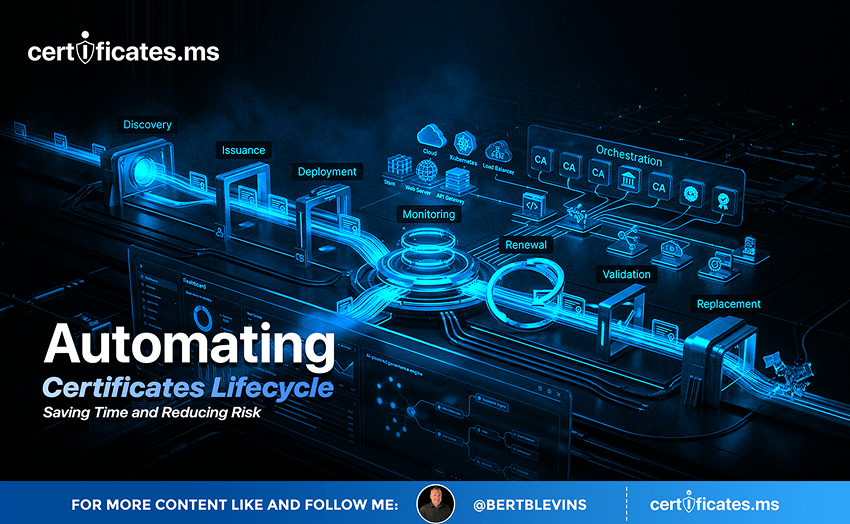
Automating Certificate Lifecycle: Saving Time and Reducing Risk

Every article in this series eventually arrives at the same conclusion: manual certificate management does not scale, and the industry\’s own rules are actively forcing the issue. This article focuses squarely on what automating the certificate lifecycle actually looks like in practice, and the concrete time and risk reductions it delivers.

Hidden Costs of Poor Certificate Management (Downtime, Breaches)

The companion piece in this series covers the visible, budgetable costs of certificate management. This article looks at the costs that rarely show up on a spending report until it is too late: the outages, breaches, and slow-building organizational risk that poor certificate hygiene quietly accumulates.

The True Cost of Certificate Management: Time and Money Breakdown

Certificates are often budgeted as a line item: the price of the certificate itself. That number is almost always the smallest part of the actual cost. This article breaks down where the real time and money in certificate management goes, and why organizations that only track the purchase price are missing most of the picture.

Certificates for Public-Facing Routers: Best Practices

Routers and other network edge devices sit in an unusual position in most organizations certificate inventories. They are critical infrastructure, they are often internet-facing, and they are frequently managed by network engineering teams working somewhat separately from the security teams who own broader PKI strategy. That gap creates real risk. This article covers the best practices that keep public-facing router certificates from becoming the weak link in an otherwise solid security posture.

IoT Certificate Management: Securing Connected Devices and Edge AI

Internet of Things devices present one of the hardest certificate management problems in the entire PKI world. They are numerous, often constrained in computing power, frequently deployed in places nobody can walk up to and log into, and expected to stay in the field for years, sometimes decades. This article covers what makes IoT certificate management distinct from traditional enterprise PKI, and what it takes to get right.

Certificate 301: Advanced PKI Design and Implementation

By the time an organization needs this article, the basics are no longer the challenge. The challenge is architecture: designing a PKI that can scale across business units, survive a compromise without collapsing trust across the whole organization, and adapt to certificate volumes that keep climbing as automation and AI-driven infrastructure multiply the number of identities needing credentials. This article covers advanced PKI design decisions that separate a PKI that merely works from one that genuinely holds up under pressure.

Free vs Paid Public Certificates: Which Should You Choose

The rise of free, automatically issued certificates changed the economics of encrypting the web almost overnight. What used to require an annual purchase and a manual installation process can now be handled entirely by automation at no direct cost. That does not mean paid certificates have become obsolete, though. This article breaks down what each option actually offers and gives a clear framework for deciding which one fits a given situation.

Certificate Authorization Explained From Request to Trust

Getting a certificate issued looks, from the outside, like filling out a form and waiting a few minutes. Underneath that simple experience is an authorization process designed to answer a hard question: does the entity requesting this certificate actually control, own, or represent the identity it is asking to have vouched for? This article walks through that process from the moment a request is generated to the moment trust is established, and looks at how automation has reshaped it for a world where machines, not just humans, now request certificates by the thousands.