Replacing Passwords with Certificate-Based SSO

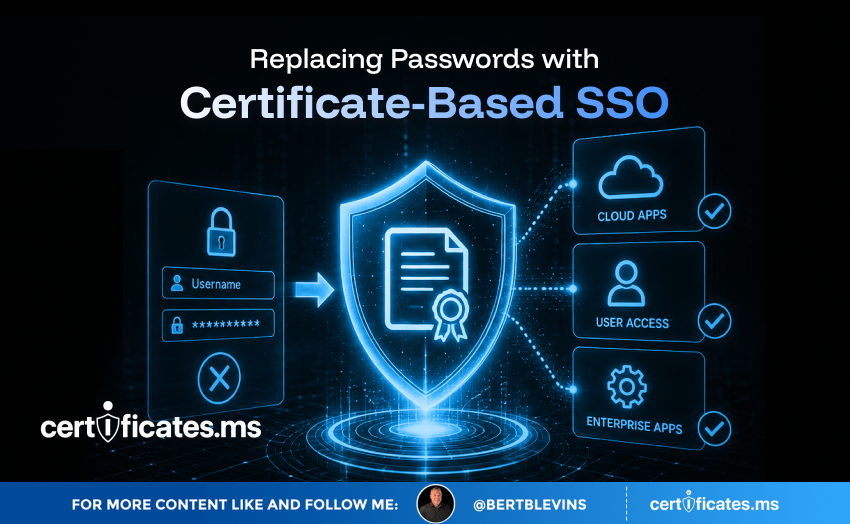
Single sign-on has already reduced password fatigue considerably by letting users authenticate once and access many connected applications, but most SSO implementations still rely on a password at that initial authentication step, preserving the exact weakness SSO was meant to reduce. Certificate-based SSO removes that remaining password dependency entirely. This article covers how this works and what it takes to deploy well.

Total Cost of Ownership for Enterprise Certificate Management

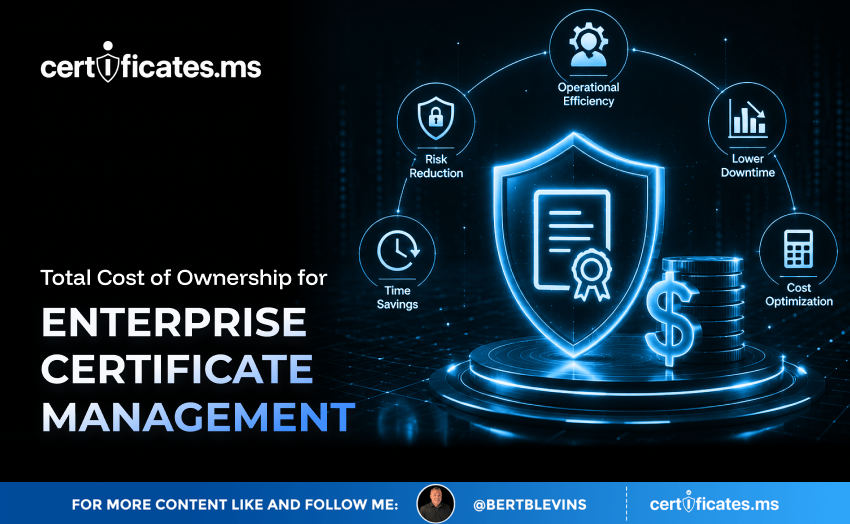
Earlier articles in this series covered certificate management costs and ROI calculation frameworks individually. This article pulls those threads together into a single, comprehensive total cost of ownership model, giving enterprise decision-makers one consolidated view spanning every cost category a genuinely complete certificate management program involves.

Scaling Certificate Management for Thousands of IoT Devices

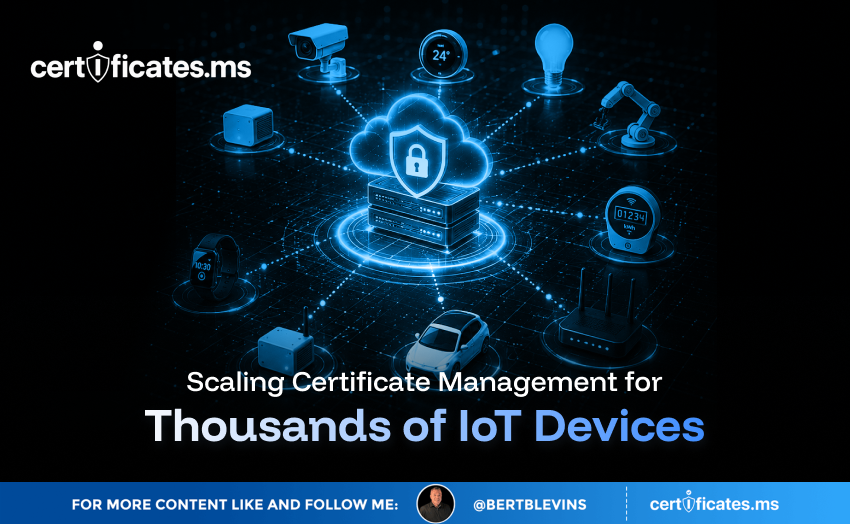
Earlier articles in this series covered IoT certificate provisioning and rotation individually. This article focuses specifically on the scaling challenge itself: what genuinely changes, architecturally and operationally, when an IoT certificate management approach that works cleanly at hundreds of devices needs to keep working at tens or hundreds of thousands.

What Makes Certificates Work: The Math and Protocols Simplified

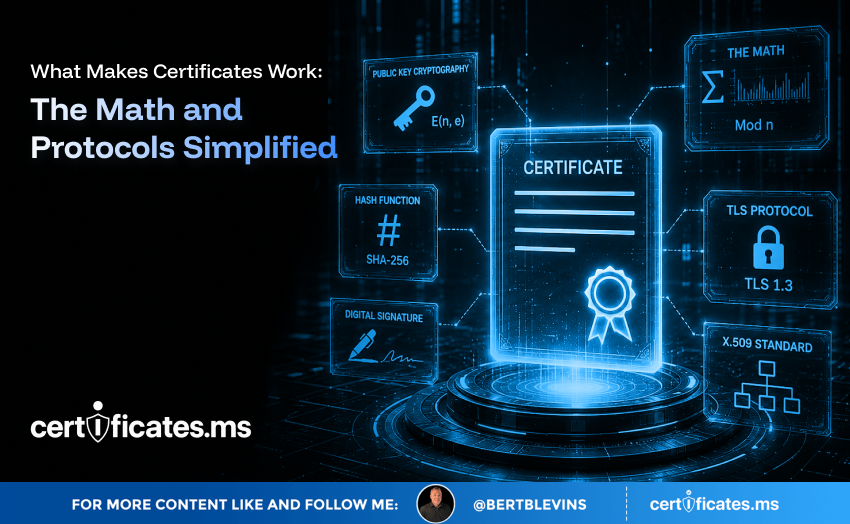
This series has covered certificates from nearly every practical angle: issuance, automation, revocation, architecture. This article steps back to the mathematical and protocol foundations underneath all of it, explained as simply as the underlying concepts genuinely allow, tying together threads touched on individually in the cryptography-focused article earlier in this series.

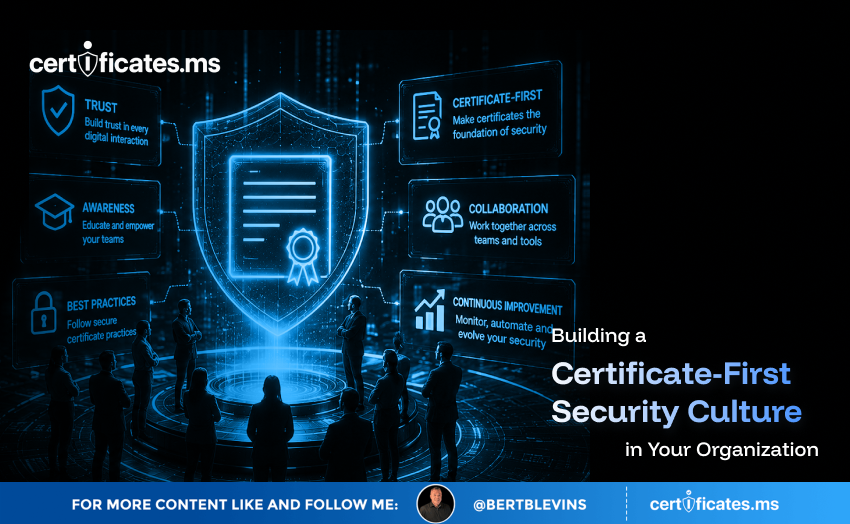
Building a Certificate-First Security Culture in Your Organization

Every technical practice discussed throughout this series, automation, monitoring, resilient architecture, ultimately depends on an organization\’s culture actually valuing and prioritizing certificate management, rather than treating it as an afterthought that only gets attention once something breaks. This final article in the series focuses specifically on how to build that culture deliberately, rather than hoping it emerges on its own.